
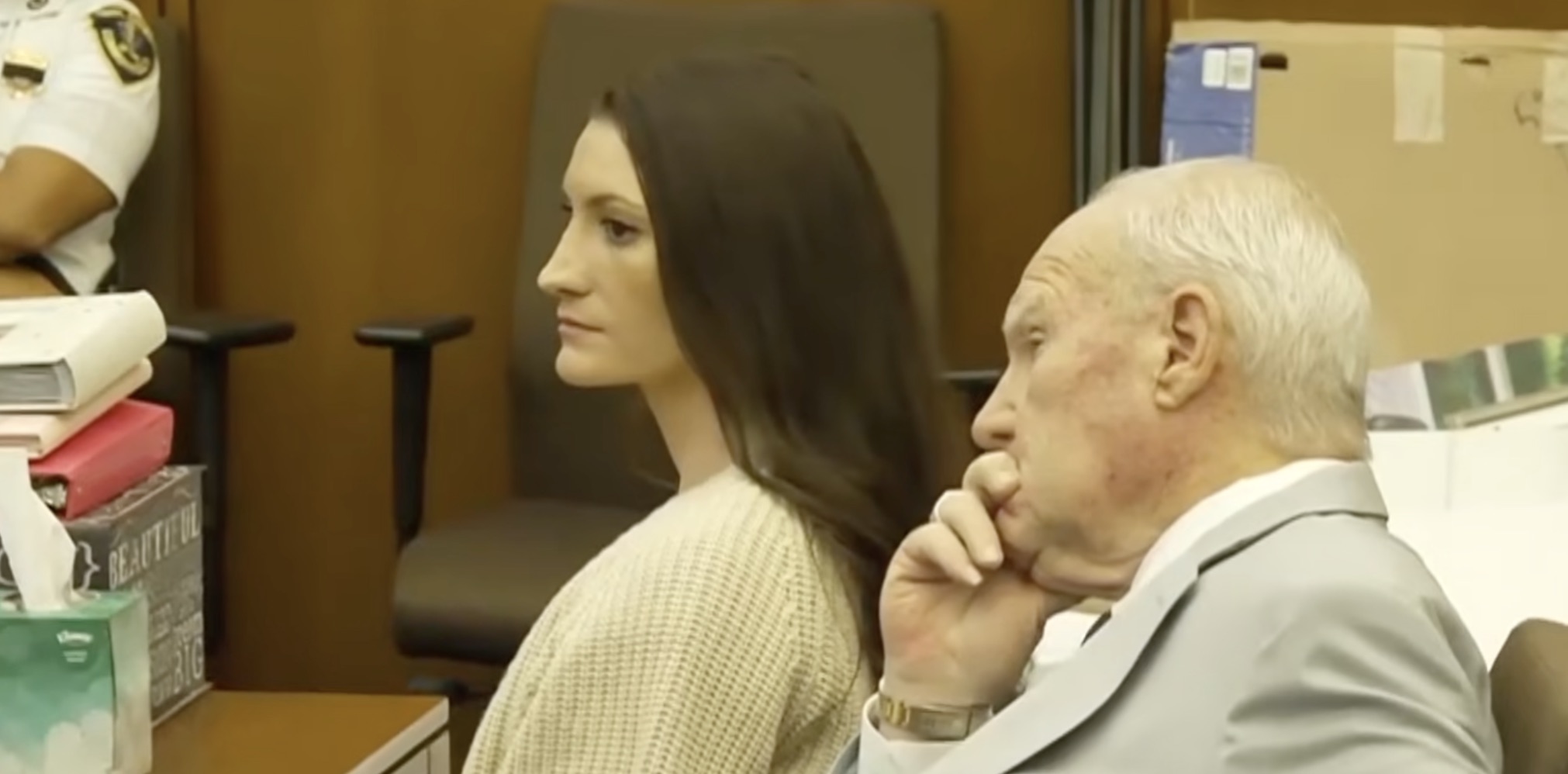
Heilbrun also said he asked Clancy whether suicide was a "mortal sin,” which was when the court went into a brief recess while the parties conferred with the judge.

Day 19 of the trial of Lindsay Clancy, a Massachusetts mother charged with killing her three children, ended with a failed motion for a mistrial from the defense after a witness spoke on her Catholic upbringing. After telling the jury to disregard what was said, the judge sent them home for the day.
The motion stemmed from testimony given by forensic psychologist Dr. Kirk Heilbrun. He was speaking on his evaluation of Clancy following the killings and her understanding of what is immoral. He said Clancy had told each of her children to "go with God" while killing them.
"And that was part of her expectation: that she and the children would be together in heaven with God," Heilbrun said. "She was raised as a Catholic, and, as I understand Catholic considerations, that's not necessarily what happens." Heilbrun also said he asked Clancy whether suicide was a "mortal sin,” which was when the court went into a brief recess while the parties conferred with the judge.
The defense moved for a mistrial due to the testimony, saying it was intentional misconduct on the part of the prosecution.” The defense said that “this whole idea of injecting Roman Catholic faith, the concept of mortal sin, into this trial occurred … about a week ago,” with the judge telling the jury then not to consider that testimony in their decision-making.
“It's the same thing again. Talking about religion, talking about heaven, talking about killing people and the impact or the effect that it would have on Lindsey as well as her children. The fact that this is not the first time that it occurred during the trial, and the prosecution has previously brought up the concept of mortal sin, based on your ruling in the past, in conjunction with the fact that they brought it up again. I believe it was intentional misconduct, and I feel that the court should grant the motion for mistrial.”
The prosecution argued that they had not specifically questioned about religion, and that the witness was merely explaining his reasoning. “ I don't think it was intentional on part of the witness either,” the prosecution said.
“I don't think he was intentionally trying to inflame the jury or cause an issue in this case. I know I certainly wasn't because I didn't ask a question about her religion or a question that would invoke that kind of response. I asked him to explain what was on the slides, and that's not on the slides. So there was no intentional conduct by the Commonwealth.”
Powered by The Post Millennial CMS™ Comments
Join and support independent free thinkers!
We’re independent and can’t be cancelled. The establishment media is increasingly dedicated to divisive cancel culture, corporate wokeism, and political correctness, all while covering up corruption from the corridors of power. The need for fact-based journalism and thoughtful analysis has never been greater. When you support The Post Millennial, you support freedom of the press at a time when it's under direct attack. Join the ranks of independent, free thinkers by supporting us today for as little as $1.
Remind me next month
To find out what personal data we collect and how we use it, please visit our Privacy Policy

Comments