
The next court date is set for October 23.

On September 10, 2025, Kirk was at UVU for the first stop on his American Comeback Tour that was scheduled to take place on campuses throughout the fall. Kirk had been engaging with a student who asked about transgender violence and shootings in the country, when, at 12:23 pm local time, he was shot in the neck. Trump announced hours later that Kirk had died.
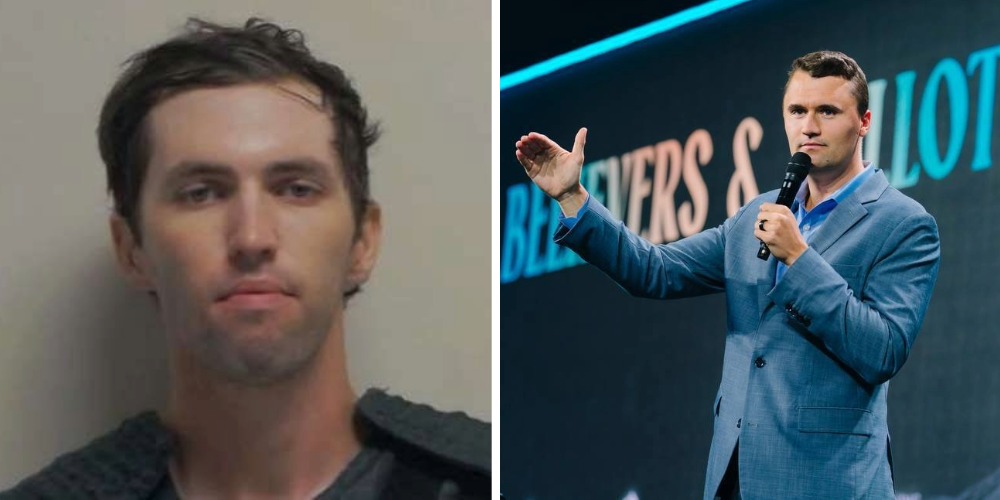
On the morning of September 12, authorities revealed that a suspect, identified as 22-year-old Tyler Robinson, had turned himself in for the killing. He was charged by the state of Utah on September 16, including counts of aggravated murder, felony discharge of a firearm, and obstructing justice. Prosecutors announced at that point that they were seeking the death penalty.
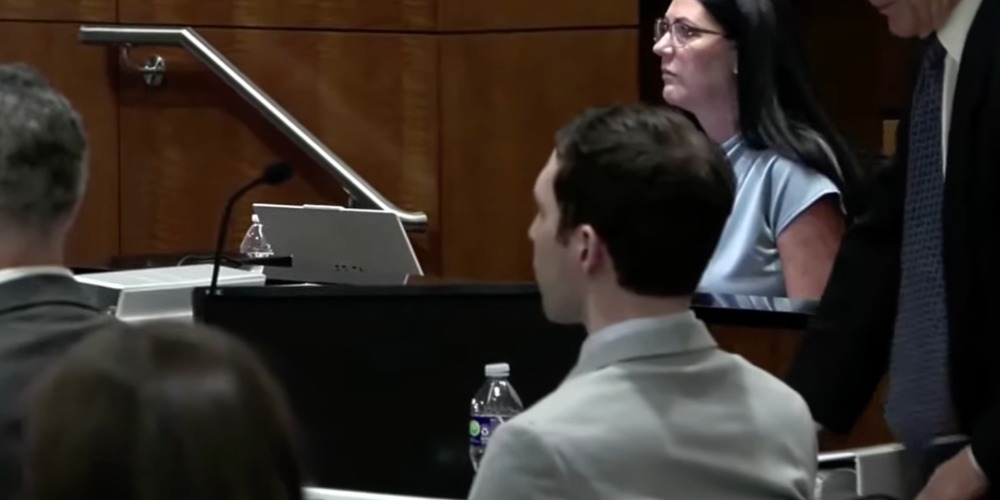
In October, Judge Tony Graf, who has been presiding over the case, ruled that Robinson would be permitted to appear in court in civilian clothing, and ordered that cameras not film him entering and exiting the courtroom. The topic of news media’s coverage in the case would go on to be a major point of contention with the defense. They asked, for the first of many times in October, for cameras to be fully banned from the courtroom.
Robinson made his first in-person appearance in December. During the hearing, the defense urged that cameras be barred from the courtroom after violations of a decorum order issued by Graf. Graf ruled that cameras would be allowed and moved the camera.
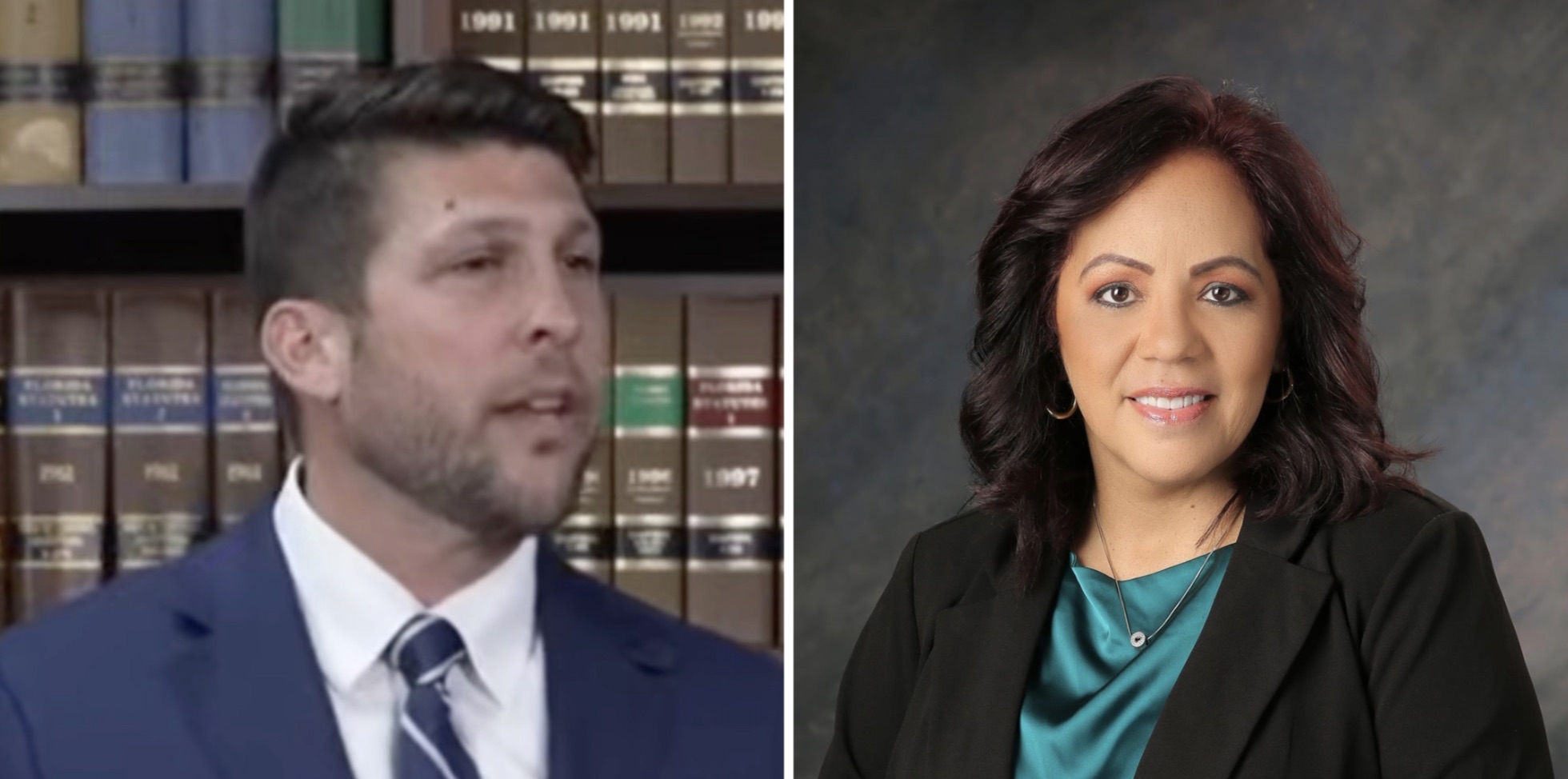
In January, the defense sought to remove Utah County prosecutors from the case because one of the prosecutors had a child who was present at the Utah Valley University event where Kirk was shot. A hearing on the matter was held in February. Graf ultimately denied the defense’s motion to disqualify.
The defense argued further about banning cameras from the courtroom in an April hearing, with a witness brought in by the defense claiming that allowing cameras into the courtroom for such a high-profile case “creates sensational, misleading media coverage that undermines the defendant’s fair trial rights.” In early May, Graf ruled that cameras would be allowed, denying the defense’s motion for a blanket ban.
The preliminary hearing in the case was initially set to take place in May, however, Graf granted a motion from the defense, delaying it to July. The defense had argued that it needed more time to review evidence in the case, including data from the ATF and FBI regarding DNA evidence.
The defense in June requested that the July preliminary hearing be put on hold as they appealed Graf’s May camera ruling to higher courts. Graf denied the motion, and the Utah Supreme Court ultimately declined to hear the appeal.
The same month, the defense sought for the judge to bar the prosecution from seeking the death penalty over comments they gave to Fox News and other media outlets. Those comments were responding to claims made by the defense in a filing regarding an ATF report. The prosecution said it was just seeking to clarify the claims made by the defense. That motion from the defense was struck down by Graf.
July saw the anticipated preliminary hearing in the case, which lasted one week. The prosecution presented evidence in the case, including surveillance camera footage showing the shooter’s movements through campus throughout the day of the shooting, as well as brought in experts in DNA and firearms testing. The prosecution also played testimony from Lance Twiggs, Robinson’s transgender lover.
Following the hearing, the prosecution and defense wrapped up their arguments in filings issued in late July and August, as for why or why not Graf should find probable cause. Oral closing arguments were delivered on September 1, and Graf ultimately ruled that probable cause had been established. Nearly one year after the shooting, Robinson entered his plea of not guilty on all counts.
The next court date is set for October 23.
Powered by The Post Millennial CMS™ Comments
Join and support independent free thinkers!
We’re independent and can’t be cancelled. The establishment media is increasingly dedicated to divisive cancel culture, corporate wokeism, and political correctness, all while covering up corruption from the corridors of power. The need for fact-based journalism and thoughtful analysis has never been greater. When you support The Post Millennial, you support freedom of the press at a time when it's under direct attack. Join the ranks of independent, free thinkers by supporting us today for as little as $1.
Remind me next month
To find out what personal data we collect and how we use it, please visit our Privacy Policy
Comments