TikTok tarot card reader to pay $10 MILLION over false claim that University of Idaho prof orchestrated Kohberger killings
As of March 5, Guillard was still posting about Scofield, and her videos were continuing to draw tens of thousands of views.
As of March 5, Guillard was still posting about Scofield, and her videos were continuing to draw tens of thousands of views.
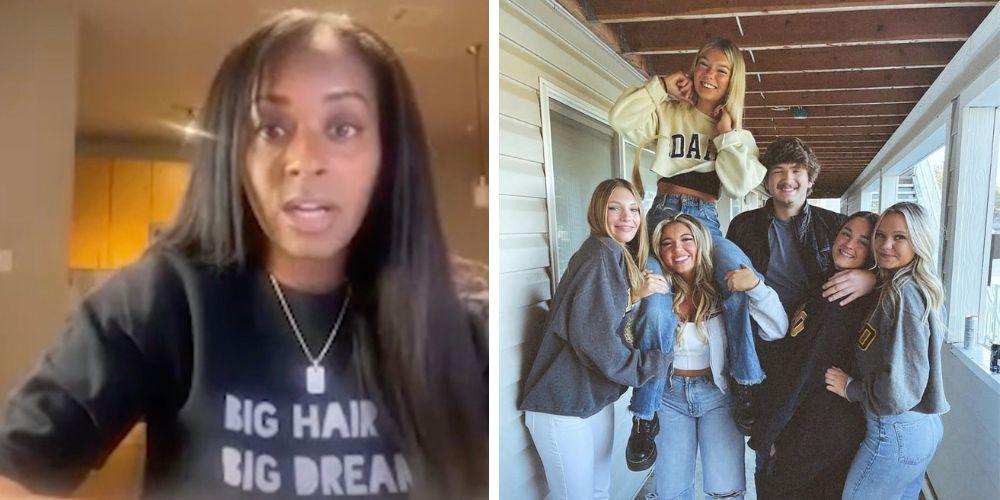
A Texas woman who used TikTok videos and tarot card readings to accuse a University of Idaho professor of orchestrating the killings of four students has been ordered to pay $10 million in damages after a jury found her statements defamatory.
The case stems from the November 13, 2022, killings of University of Idaho students Ethan Chapin, Xana Kernodle, Kaylee Goncalves, and Madison Mogen. Authorities later charged Bryan Kohberger, then a Washington State University graduate student in criminology, with four counts of first-degree murder and related crimes in the stabbings. He was arrested on December 30, 2022, and in July 2025 pleaded guilty, avoiding the death penalty and receiving four life sentences without the possibility of parole.
According to The Oregonian, in the weeks after the killings, Ashley Guillard, a Houston woman who described herself on TikTok as a tarot reader and psychic, began posting videos accusing University of Idaho professor Rebecca Scofield of arranging the students’ deaths. In more than 100 videos, Guillard alleged that Scofield had hired someone to kill the students to conceal an alleged affair with one of them. Authorities never named Scofield as a suspect, and Moscow, Idaho, police publicly cleared her in December 2022.
Despite receiving a cease-and-desist letter from Scofield’s attorneys that same month, Guillard continued posting videos repeating the accusations. According to court testimony, the allegations persisted until August 2025, even after Kohberger’s arrest and guilty plea.
Scofield later sued Guillard in civil court, alleging defamation, harassment, lost wages, and other damages tied to the online accusations. During the trial, Scofield testified that the campaign caused severe anxiety, PTSD, debilitating nerve pain, and significant harm to her professional reputation during a period when the university community was already reeling from the killings.
Guillard represented herself at trial after traveling to Idaho from Texas. She argued that her videos were protected by free speech and religious expression. The judge, however, found her statements and conduct to be malicious and fraudulent. A jury returned a unanimous verdict after only a few hours of deliberation, awarding Scofield $10 million in damages.
Even after the verdict, Guillard continued posting videos about Scofield on TikTok. In a multi-part series addressing the case, she accused Scofield of lying under oath and said her “freedom of expression as it permits to spirituality was attacked the entire trial.”
As of March 5, Guillard was still posting about Scofield, and her videos were continuing to draw tens of thousands of views.
Libby’s Desk
Commentary and must-reads from Libby’s desk, straight to your inbox.
TPM Newsletter
The Post Millennial’s top stories, delivered to your inbox.


