
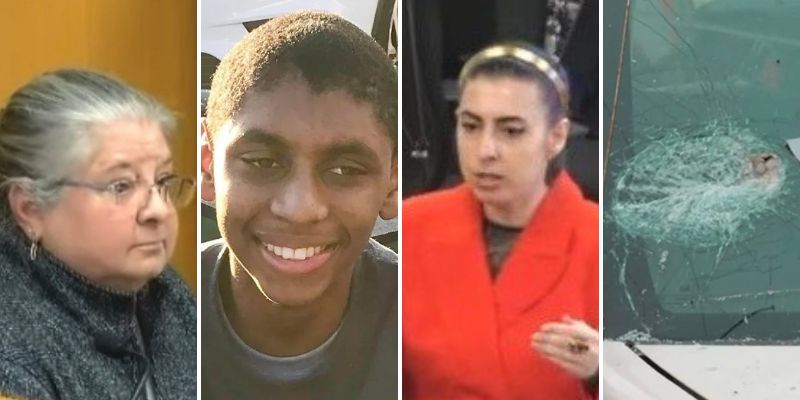
Antonio Mays Jr.'s death was described as "catastrophically painful," noting that he was breathing and had a pulse when he initially arrived at the designated casualty area, but deteriorated due to the lack of timely intervention.

Antonio Mays Jr., a black teenager from California, was fatally shot on June 29, 2020, during the early morning hours within the Antifa-BLM Capitol Hill Autonomous Zone, also known as CHAZ or CHOP, which was established following the death of George Floyd in Minneapolis police custody. The lawsuit, Mays v. City of Seattle, alleges that the city's actions—or lack thereof—created a "state-created danger" that contributed to Mays' death.
During the trial, the medical expert detailed the extent of Mays' injuries. The teen, shot by self-declared "CHAZ security," sustained multiple gunshot wounds, including to the head, jaw, chest, and extremities. The expert testified that Mays would have "survived" his injuries if he had received timely medical intervention, highlighting a critical delay in medical response. His death was due to obstructed airways rather than the brain injury itself, according to medical records entered as evidence.
"It was not the brain injury that was the lethal event," the expert stated, emphasizing that timely intervention to clear his airways could have saved his life. Mays endured over 25 minutes of "agonizing pain" before receiving care, a period the expert attributed to several factors. This included protesters transporting Mays having difficulty in navigating around the CHAZ/CHOP barricades, installed by the City of Seattle, which obstructed timely medical access, and medics "abandoning" Mays after fleeing the "designated casualty area," further delaying treatment.
Robyn McKinley, a veteran EMS professional who conducted an independent investigation into Seattle Fire's response to the shooting, previously testified that medics failed to follow protocol by leaving their post when protesters arrived with Mays. McKinley's account aligns with the medical expert's assertion that the delay in airway management was catastrophic. "The best thing for the preservation of his brain is intervening in his airway," the expert explained, underscoring the importance of rapid response.
The trial has also revealed that Seattle police were under direct orders not to enter the autonomous zone following the shooting, a directive that contributed to the delay in both medical and law enforcement response. Detective Alan Cruise testified earlier that officers were prohibited from entering the area, which the plaintiffs argue exacerbated the lawlessness and hindered critically necessary intervention.
Attorney Evan Oshan, representing the Mays family, is arguing that the city's negligence in managing the protest zone directly contributed to Antonio's death. The medical expert's testimony bolsters this claim, suggesting that with proper emergency medical care, Mays could have survived. The expert described Mays' death as "catastrophically painful," noting that he was breathing and had a pulse when the so-called "CHOP medics" initially arrived at the designated area, but deteriorated due to the lack of timely intervention.
This case marks the first CHAZ/CHOP-related lawsuit to go to trial, following a series of settlements in other cases involving fatalities and injuries within the zone. The city's defense has attempted to argue that Mays was committing a felony at the time of the shooting, a claim the plaintiffs contest. Additionally, city attorneys told the 15-panel jury that the sole responsibility for Mays' death lies with the shooters. Authorities have not yet arrested a suspect in this case.
Powered by The Post Millennial CMS™ Comments
Join and support independent free thinkers!
We’re independent and can’t be cancelled. The establishment media is increasingly dedicated to divisive cancel culture, corporate wokeism, and political correctness, all while covering up corruption from the corridors of power. The need for fact-based journalism and thoughtful analysis has never been greater. When you support The Post Millennial, you support freedom of the press at a time when it's under direct attack. Join the ranks of independent, free thinkers by supporting us today for as little as $1.
Remind me next month
To find out what personal data we collect and how we use it, please visit our Privacy Policy



Comments