Senior policy counsel for the American Civil Liberties Union (ACLU) Chad Marlow has released a video on the organization's Instagram page advising protesters on how to prevent their phones from sharing information about them while protesting.
"If you're protesting and not actively using your phone, the best thing you can do to prevent it from sharing information about you and your location is to shut it off entirely," he said. "If you want to turn on your phone to take pictures or record videos from the day, turn off your Bluetooth and put your phone into airplane mode. That way, your phone won't inadvertently share your private location and other data while you use it."
https://twitter.com/MrAndyNgo/status/2074826585669063095
Marlow then advised protesters to use encrypted apps like Signal, which he said "makes it significantly more difficult for the government to intercept your communications."
Marlow also warned demonstrators to be careful about the information they share online, warning that social media posts, photos, and videos can potentially reveal identifying details about protesters and their locations. He said protesters should consider removing metadata from images before uploading them and avoid posting real-time updates that could expose where they are.
The video was part of the ACLU’s broader efforts to inform leftist activists about digital privacy and surveillance concerns during protests, with the clip being part of a video the organization released for June's "No Kings" protests. The organization has previously warned that law enforcement agencies may use digital tools, including facial recognition technology and location data, to identify individuals involved in protests.
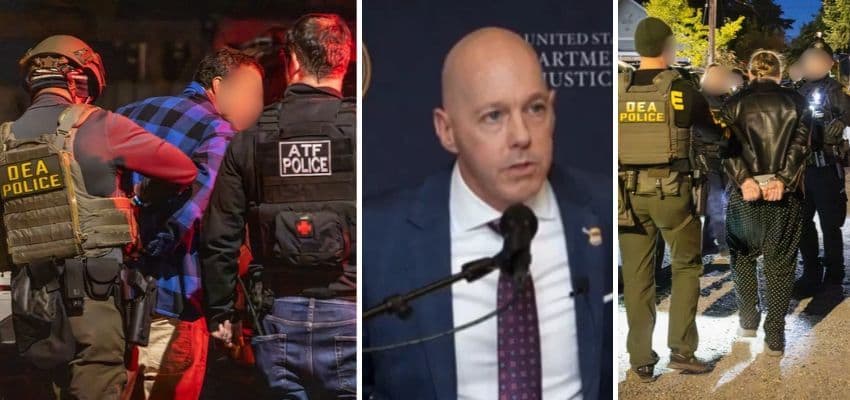
This comes after Minnesota Attorney General Daniel Rosen said in June that Antifa militants were charged with what he described as "surveillance, operational planning, and rapid mobilization against law enforcement," including allegedly throwing blocks of ice at their vehicles. The DOJ said that the 15 co-conspirators trained extremists in surveillance, rapid mobilization, shield tactics, blockade operations, and methods designed to interfere with federal immigration enforcement.
https://rumble.com/embed/v7a80ya/?pub=2n05b