Ilhan Omar search warrant UNSEALED as DOJ reveals probe spans decades, ‘long before she was ever in Congress’
Omar called the raid an attempt to target political opponents and weaponize federal law enforcement.
Omar called the raid an attempt to target political opponents and weaponize federal law enforcement.

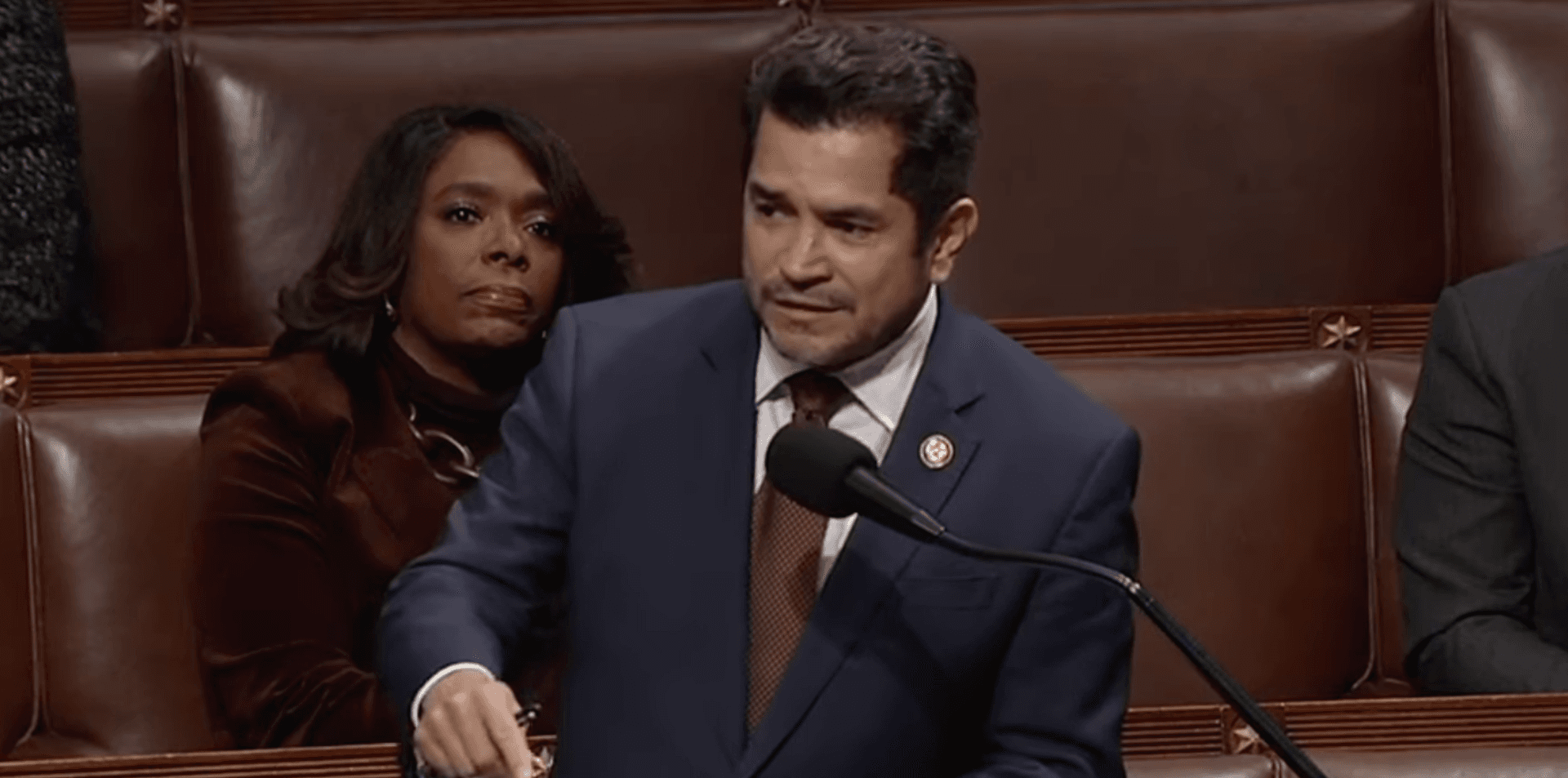
Justice Department prosecutors told a federal judge they believed Rep. Ilhan Omar had committed “crimes over decades,” beginning “long before she was ever in Congress,” according to newly released search warrant from the October search of the Minnesota Democrat’s Washington, DC, home.
Prosecutors wrote that their case had nothing to do with Omar’s professional life. In describing their original Oct. 2 warrant application, they said they sought evidence of suspected violations occurring “between 1980 to the present.” The specific offenses are redacted, and the 67-page affidavit laying out the government’s evidence remains under seal.
DOJ argued that unsealing the warrant could alert potential subjects and lead to flight, destruction of evidence, or witness intimidation. A magistrate judge granted the request to keep the records sealed.
US Magistrate Judge Matthew Sharbaugh signed the warrant on Oct. 9. It authorized agents to seize papers, records, photographs, documents and other physical objects covered by the warrant, as well as thumb drives, external hard drives, computers and other storage devices holding covered records. The warrant also listed “cellular phones registered to or used by ILHAN.”
Agents were authorized to seize, copy and search digital devices Omar owned, used or controlled, as well as devices found near evidence of the suspected offenses, if the devices could reasonably contain material described in the affidavit. The warrant return records that Homeland Security Investigations agents began the search at 6:05 a.m. on Oct. 12. The inventory is redacted. Agents took Omar’s passport, personal computers, notebooks and phone.
DOJ said it notified the House general counsel before agents executed the warrant. According to prosecutors, House counsel declined to take part and said he believed constitutional protections for legislative work did not extend to a member’s private residence.
Sharbaugh concluded that the Constitution’s Speech or Debate Clause applied to the search under the circumstances. He said the final warrant gave Omar a chance to identify protected legislative material at the “outset of the government’s execution of the warrant,” before agents otherwise searched.
Prosecutors said agents followed those procedures. Omar’s attorneys disputed that account, alleging agents failed to contact the House counsel’s office as required and prevented Omar from reaching her own lawyers for more than an hour after the search began. Omar called the raid an attempt to target political opponents and weaponize federal law enforcement.
FBI and DHS agents began examining Omar’s 2009 marriage to Ahmed Nur Said Elmi in 2016. Former officials told the New York Times that Elmi obtained a provisional two-year green card through the marriage and abandoned his bid for permanent status after immigration officials asked for more evidence about the marriage. Prosecutors concluded the potential offense fell outside the five-year statute of limitations.
Federal investigators also subpoenaed Omar’s sister, Sahra Noor, and at least one other relative for evidence concerning possible fraud and false statements in immigration paperwork. Omar has said she was 17 when she became a US citizen through her father in 2000. Omar’s congressional staff asked the Minnesota Legislative Reference Library in 2019 to change her listed birth year from 1981 to 1982.
Libby’s Desk
Commentary and must-reads from Libby’s desk, straight to your inbox.
TPM Newsletter
The Post Millennial’s top stories, delivered to your inbox.