
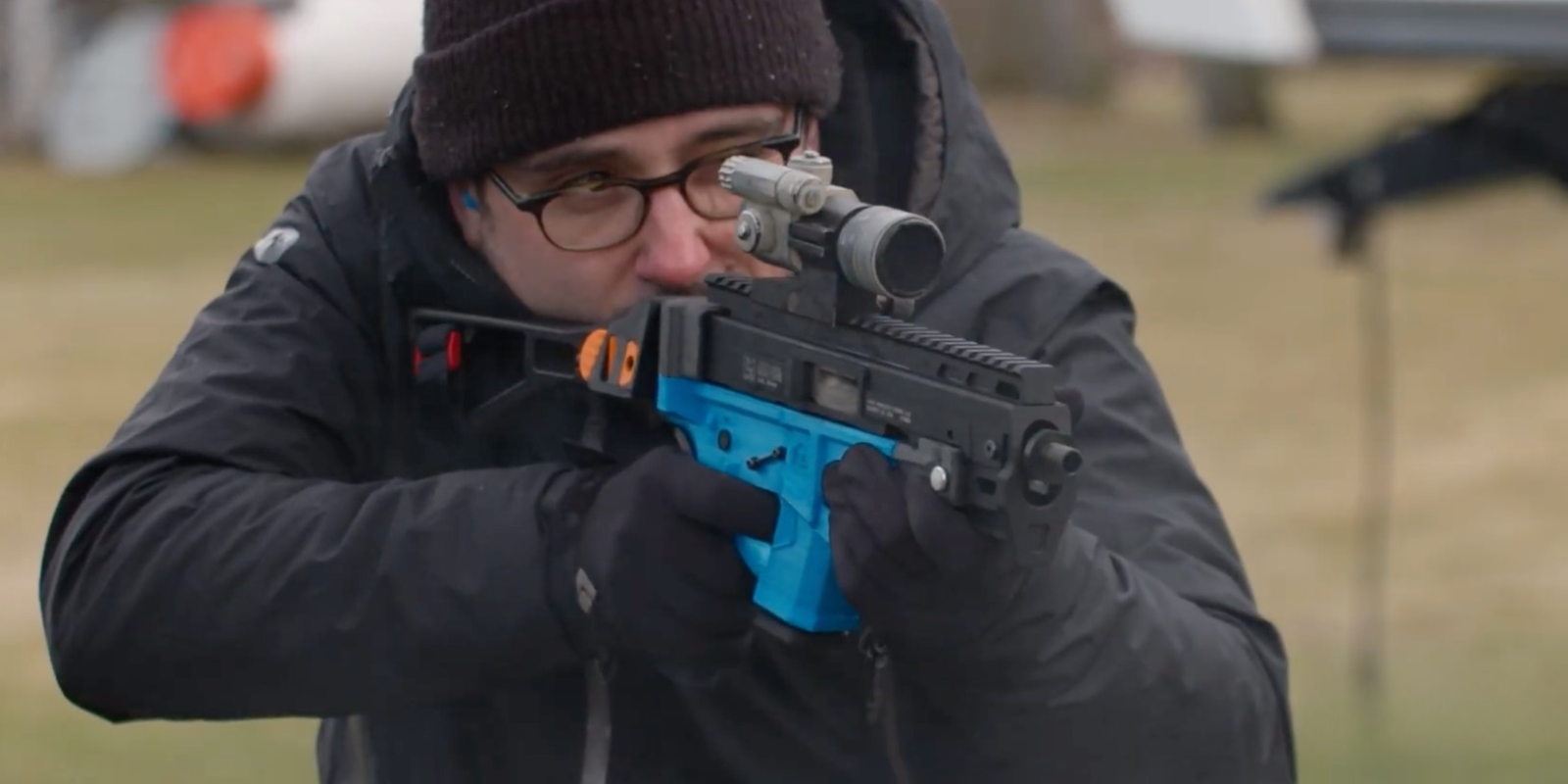
Lawmakers in California and New York are advancing efforts to curb the production of so-called "ghost guns" by targeting the 3D printers used to make them.

A new law signed in New York last month requires 3D printers sold in the state to eventually include technology capable of preventing the production of firearms and firearm components. California lawmakers are considering similar legislation. Supporters of the measures argue they are aimed at reducing access to unserialized firearms, often referred to as ghost guns, which can be produced using 3D printing technology and are difficult to trace. The Associated Press reported that the required detection technology may not be available until at least 2029.
The proposals have drawn skepticism from some industry figures who say the technology would be difficult, if not impossible, to implement. “The printer itself can’t determine what is being printed,” said Kevin Thomas, owner of T&G 3D Printing in Basin, Wyoming. Under the legislation, experts would be tasked with developing software capable of identifying digital firearm blueprints before a print job begins. The concept would rely on comparing uploaded designs against a database of firearm-related files and blocking matching prints.
Thomas said the approach overlooks how 3D printers actually operate.
According to him, machine instructions known as G-codes ultimately direct printers on what shapes to create, meaning users could still control the output. He argued that regulating those instructions would be impractical and could raise free speech concerns. Thomas also noted that firearms manufacturers use digital design software in their production processes, adding that restrictions on consumer printers could have unintended consequences: “What will end up happening is there just won’t be any 3D printers for sale in California, so people there will just go across state lines to get them,” he said.
“People have been making their own firearms since 1776,” said Mark Jones of Buffalo, Wyoming, a national director for Gun Owners of America. Jones argued that efforts to restrict homemade firearms are unlikely to stop individuals from manufacturing guns themselves. He also expressed concern that serial number requirements could be used to support broader firearm tracking systems.
“It’s actually illegal to keep a registry of what guns people have, and we think it should be,” he said. Current federal rules generally allow individuals to manufacture certain firearms for personal use, subject to applicable laws. Thomas said lower receivers—the regulated component of many firearms—can be produced for personal use but not sold commercially.
He added that he avoids printing firearm parts because of potential legal liabilities if those components are later used in crimes.
Powered by The Post Millennial CMS™ Comments
Join and support independent free thinkers!
We’re independent and can’t be cancelled. The establishment media is increasingly dedicated to divisive cancel culture, corporate wokeism, and political correctness, all while covering up corruption from the corridors of power. The need for fact-based journalism and thoughtful analysis has never been greater. When you support The Post Millennial, you support freedom of the press at a time when it's under direct attack. Join the ranks of independent, free thinkers by supporting us today for as little as $1.
Remind me next month
To find out what personal data we collect and how we use it, please visit our Privacy Policy






Comments